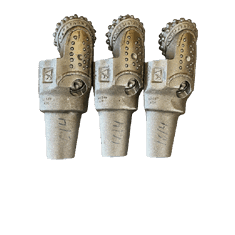
Water Well
Water well drilling is an essential process for tapping into underground water sources to provide clean water for drinking, irrigation, and other daily needs. Whether it’s for residential, agricultural, or commercial use, drilling a well ensures a reliable and sustainable water supply.

Key Steps in Water Well Drilling
- Surveying: The first step in drilling a water well is surveying the land. A professional surveys the area to determine the best location and depth for the well, ensuring optimal water access while taking into account the surrounding geology and water table.
- Drilling: Once the location is chosen, a drilling professional uses specialized equipment to dig a hole, known as a borehole, into the ground. Drilling continues until they reach an underground aquifer or water source.
- Reinforcing: After the borehole is drilled, it is reinforced with a casing made from plastic or steel. This casing helps prevent the well from collapsing and ensures that the water remains uncontaminated by keeping out dirt, rocks, and other pollutants.
- Installing a Filter: To ensure clean water flow, a screen or gravel filter is installed at the bottom of the well. This filter helps keep debris and sediment out of the water supply while maintaining consistent water quality.
- Adding a Pump Finally, a pump is installed to move the water from the well to its destination, whether it’s a home, farm, or industrial site. The type and size of the pump are selected based on the well’s depth and the intended water use.
Water Well Drilling Methods
There are several methods for drilling water wells, ranging from manual to mechanical. Each method is chosen based on the specific needs of the well and the characteristics of the land.
- Hand-Digging: This simple, traditional method uses basic tools to manually dig the well, reaching depths of up to 230 feet or more. It is labor-intensive but cost-effective for shallow wells.
- Manual Percussion Drilling: Faster than hand-digging, manual percussion drilling uses a tool to repeatedly strike the ground, breaking through rock and soil. This method is effective for deeper wells and harder terrain.
- Cable Tool Drilling: This mechanical method uses a cable-operated drill to dig the well. Though slower than other methods, it uses minimal fuel and is cost-efficient in areas with softer ground.
- Mud Rotary Drilling: A faster mechanical method than cable tool drilling, mud rotary drilling involves using a fluid mixture of water and bentonite clay to cool the drill and keep the borehole open while drilling. This method is widely used for deeper wells.
- Air Rotary Drilling: The fastest drilling method, air rotary drilling uses compressed air to break through rock and soil. It’s ideal for areas where speed is important, and the geology allows for quick penetration.
Factors Affecting Water Well Costs
The cost of drilling a water well can vary based on several factors:
- Depth: Deeper wells generally cost more due to the increased drilling time and materials required.
- Location: The cost may differ depending on how accessible the land is and the proximity to water sources.
- Geology: Harder rock formations or areas with more complex geology may require more advanced equipment and techniques, increasing the cost.
- Drilling Method: Mechanical methods, particularly faster ones like air rotary, often cost more but may reduce overall project time.
Water well drilling provides a long-term solution for accessing clean and reliable water. Whether for residential, agricultural, or industrial use, understanding the drilling process and choosing the right method can ensure a successful project that meets your water needs.