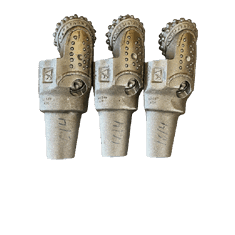
Foundation / Construction
Foundation drilling is an essential construction technique used to create deep, stable foundations for large structures like buildings, bridges, and other infrastructure. By drilling large holes into the ground and filling them with concrete and other materials, a solid base is formed to support the weight and stability of the structure.

Methods of Foundation and Construction Drilling
Different drilling methods are used depending on the project’s specific needs and soil conditions. Common foundation drilling methods include:
- Rotary Drilling: This technique uses a rotating drill bit to break through tough soil and rock layers, making it ideal for deep foundations in challenging terrain.
- Core Drilling: Core drilling is often used to extract samples of the subsurface materials for analysis, ensuring that the soil composition is suitable for construction.
The method chosen depends on the ground conditions and the structural requirements of the project.
Complexity of Foundation Drilling
Foundation drilling is a highly complex process that involves a team of experienced professionals. Various factors must be taken into account, including:
- Weather Conditions: Rain, snow, or extreme temperatures can affect the drilling process and the stability of the soil.
- Soil Composition: Understanding the composition of the soil is crucial for choosing the right drilling method and ensuring the foundation will be stable.
- Surroundings: The proximity to other structures or natural features like bodies of water can complicate the drilling process, requiring careful planning and execution.
Purpose of Foundation Drilling
The primary goal of foundation drilling is to prepare the site for deep foundations such as piers, piles, and caissons. By drilling deep into the Earth, these foundations provide a stable base that can support the weight of tall buildings, bridges, and other heavy structures. The deeper the foundation, the more load-bearing capacity it has, which is especially important for large-scale construction projects.
Foundation drilling is a critical part of construction, providing the necessary stability for long-lasting and safe structures. By choosing the right methods, tools, and planning, foundation drilling ensures that a building or bridge stands strong for years to come.