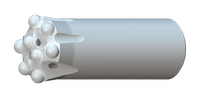
Oil and Gas
Drilling for oil and natural gas involves creating deep holes in the Earth to access underground reservoirs of these valuable resources. It is a critical step in the exploration and production of energy, powering industries and homes across the globe.

Drilling Methods
Oil and gas extraction uses several drilling techniques, each designed for specific geological conditions and resource needs:
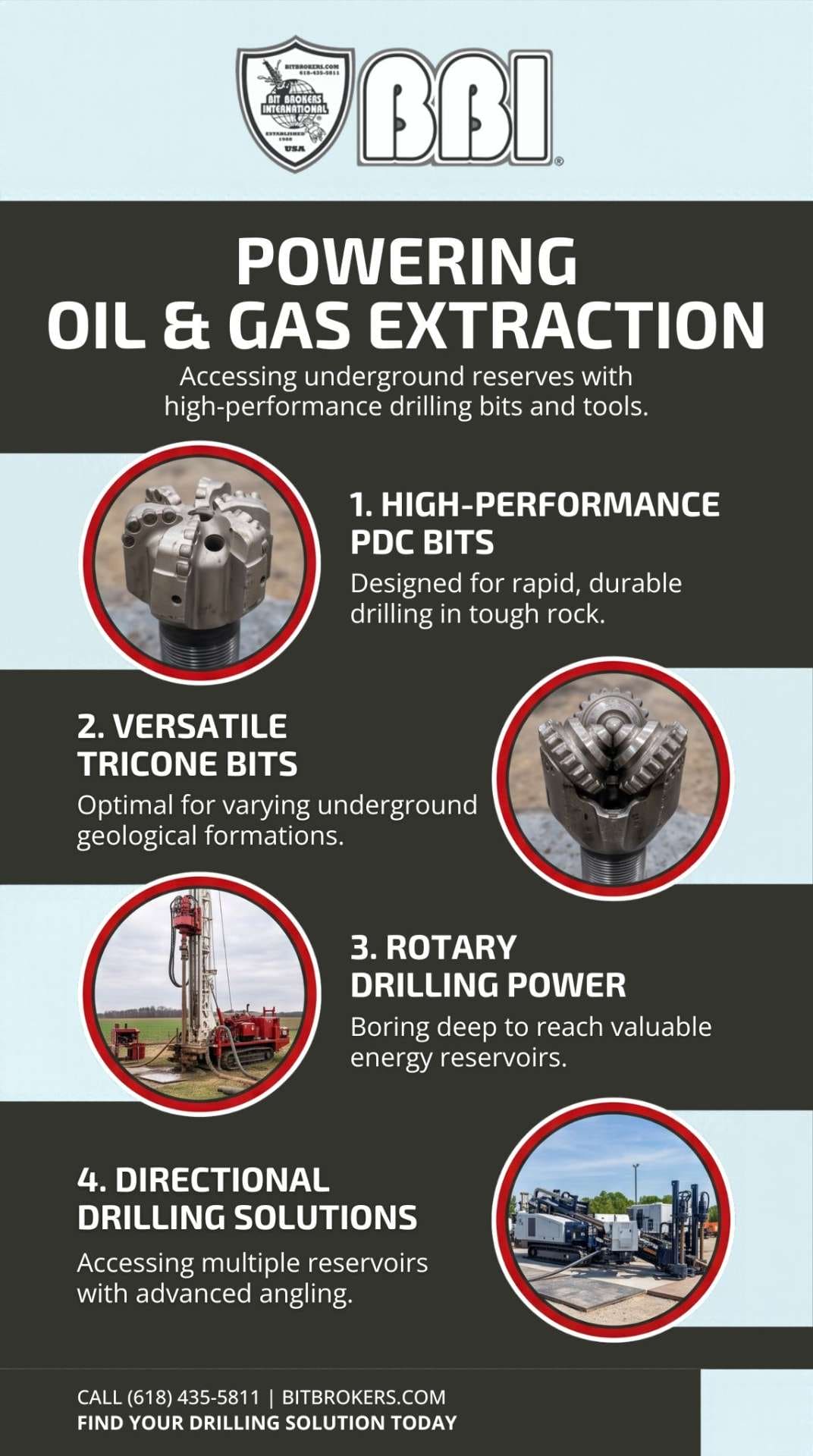
- Rotary Drilling: This traditional method uses a rotating drill bit to bore into the Earth, breaking up rock layers to reach oil and gas deposits.
- Directional Drilling: Unlike traditional vertical drilling, directional drilling allows the drill to move at angles, enabling access to multiple reservoirs from a single well.
- Hydraulic Fracturing (Fracking): A technique that injects high-pressure fluid into underground rock formations to create fractures, allowing oil and gas to flow more freely.
Types of Wells
Different well types serve various functions during the exploration, production, and management of oil and gas resources:
- Exploration Wells: Drilled to discover new oil and gas reservoirs.
- Appraisal Wells: Used to assess the size and viability of a newly discovered resource.
- Development Wells: Drilled to extract oil and gas from established fields.
- Relief Wells: Drilled to relieve pressure in the event of a blowout or other well-related emergency.
- Injection Wells: Inject water, steam, or gas into reservoirs to enhance oil recovery.
Well Planning
Well planning is a critical component of the drilling process. It involves determining the technical requirements, potential costs, and appropriate construction methods for each well. Proper planning ensures that drilling is efficient, safe, and environmentally sound, while also considering the geological characteristics of the area.
Well Casing and Stability
To ensure the stability of the well and protect the surrounding environment, well casings are installed. These steel pipes are inserted into the wellbore, and the space between the casing and the hole is filled with cement to create a protective seal. This process prevents contamination of groundwater and keeps the well intact throughout its life cycle.
Hydraulic Fracturing (Fracking)
Fracking is a highly effective yet controversial drilling method. It involves injecting a high-pressure mixture of water, sand, and chemicals deep into the Earth to fracture rock formations and release oil and gas. While fracking has boosted oil and gas production, it has also raised concerns over its environmental impact, including the potential contamination of water supplies and methane emissions, a potent greenhouse gas.
Offshore Drilling
Offshore drilling is the process of extracting oil and gas from beneath the ocean floor. While it provides access to significant energy reserves, it can have severe environmental consequences, particularly in coastal areas. Spills, leaks, and routine operations can disrupt marine ecosystems, damage fishing industries, and harm coastal communities.
Drilling for oil and natural gas is a complex process that requires careful planning, advanced technology, and consideration of environmental impacts. As global energy needs evolve, so too do the methods and practices of drilling, aiming to balance energy production with sustainability and environmental responsibility.